AI Is Ready. Are We Mature Enough to Use It?
AI adoption is accelerating under intense competitive pressure and economic promise. Yet the systems surrounding this power already carry fragile trust and unresolved questions about whose interests are truly being served. Raising legitimate concerns about how much authority we are prepared to delegate to them. The real differentiator may turn out to be less about who possesses the most advanced AI, and more about who has developed the clarity to judge clearly, decide responsibly, and carry the consequences of the choices such intelligence enables.
BY MIKHAEL AKASHA
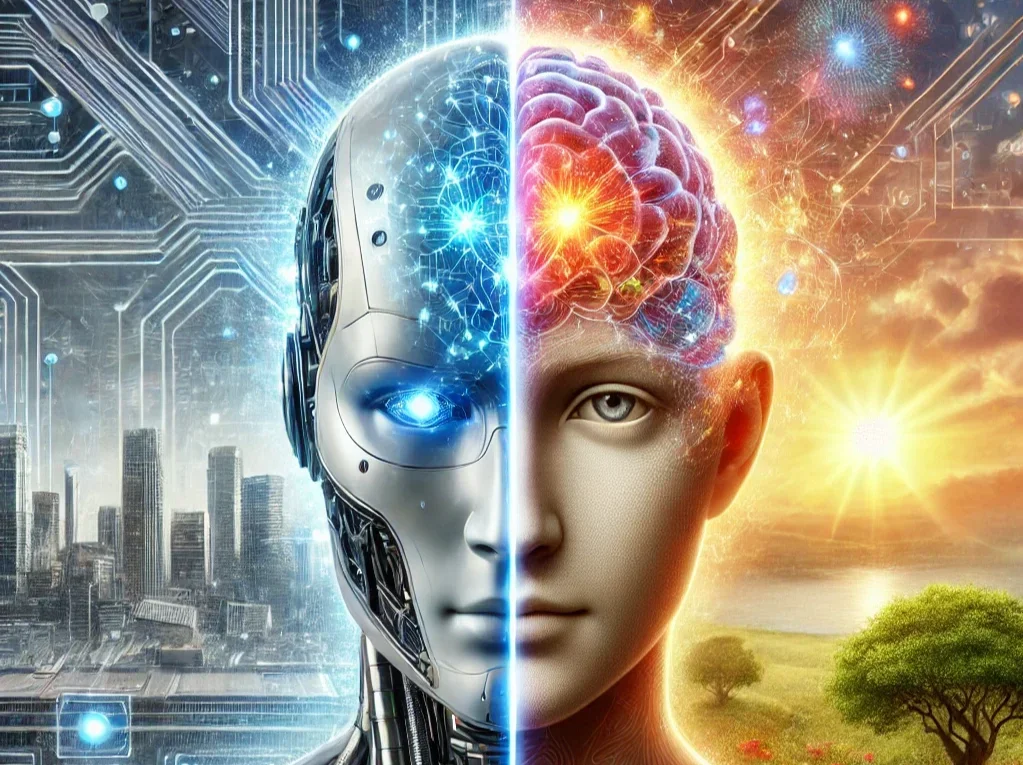
“As our machines become more powerful, the real question is whether we do.”
In my field, conversations about artificial intelligence are constant. Working with executives and professionals as a lecturer and innovation lead at Maastricht University School of Business and Economics, I see the same themes return again and again:
Speed and adoption.
Competitive urgency.
First-mover advantage.
The current is strong, and I understand why. The economic upside is considerable.
My position is not opposition.
It is a different starting point.
Because alongside this technological surge, we are also living through a period of deep institutional questioning. Across societies, people are re-examining whom they trust, how decisions are made, and whose interests our systems truly serve. Debates about democratic resilience, ecological degradation, and unequal access to healthcare, education, and justice are no longer peripheral. They are central.
Look at the signals.
The Edelman Trust Barometer shows citizens worldwide believe leaders in business and government knowingly mislead them.
A Pew Research Center survey across 23 countries found 58 % of adults dissatisfied with how democracy is working, indicating widespread discontent even in established democracies.
According to Transparency International, more than two-thirds of countries sit below the midpoint of their corruption scale.
The World Bank estimates over $1 trillion is paid in bribes every year, with much larger losses tied to broader illicit flows.
These are not fringe observations.
They indicate that manipulation, distorted incentives, and misaligned power are not exceptions. And here is the uncomfortable implication:
Regulators and public bodies across global regions are raising concerns about bias, surveillance misuse, opaque decision pathways, and the shaping of information ecosystems.
So while AI capability rises, another awareness rises with it.

I notice in my work how deeper questions increasingly surface beneath the language of growth, competitiveness, and transformation. Beneath strategy lies orientation. Beneath capability, identity. Not only what can we build, but who are we becoming as we build it.
More people are recognising that what we long treated as the “norm” has also produced burnout, inequality, ecological strain and erosion of trust. Background patterns are moving into the foreground.
It can feel like collective memory returning.
A civilisation rediscovering that something essential went missing.
Who are we, as a human race?
Why are we here? What is the larger “why” of existence?
Where are we, in the universal sense?
What futures are we normalising without questioning?
These are not abstract reflections.
They are design variables.
Which leads to a more demanding definition of progress.
Not only smarter systems, but a more mature humanity directing them.
From that perspective, a different question emerges:
👉 How can AI strengthen human awareness, human potential, and self-responsibility (community)?
With that foundation, AI becomes an ally in human growth and development.
Without it, we risk building tools that outrun our psychological and ethical readiness and in that gap, corruption and manipulation flourishes.
Progress is not measured only by what becomes intelligent.
It is measured by whether we do.
I’m curious how others working close to AI experience this tension between acceleration and self-knowledge.
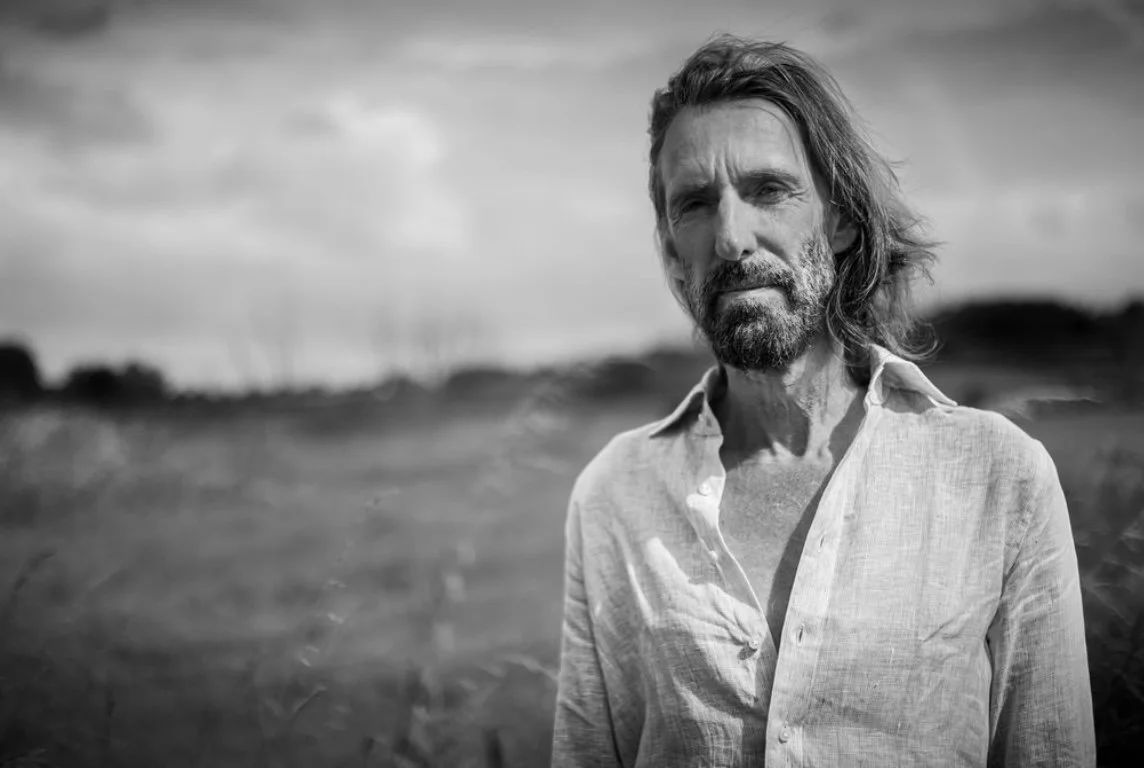
About the Author
Mikhaël Akasha is a transformational leader working at the intersection of systemic strategy, life-serving innovation, and human development. As founder of Cinmaya and as Innovation Lead and Lecturer at Maastricht University, he supports organisations in translating purpose into practical strategy, applied innovation, and learning journeys that endure over time.
Bridging decades of work with global organisations, academic leadership programmes, and ancient wisdom traditions, his work invites leaders to let clarity within shape conscious action and to design innovation that truly serves life.